FREQUENTLY ASKED QUESTIONS
The Comprehensive Plan & Zoning
Click the photo to view the Complete Comprehensive Plan on the Franklin County Website
🔴 ❓ What has Franklin County government done to advertise engagement with the zoning ordinance and Comprehensive Plan, and why does this matter?
The County shared the Comprehensive Plan through meetings and surveys across the community, giving people a chance to speak up early.
But for the zoning ordinance, most of the work was done first by staff and officials, and the public was brought in later with a few meetings and online posts. This meets the basic legal rules, but it gives people less time to shape the actual rules that affect their land. This matters because the Plan is just a big-picture vision, while zoning is the real set of rules. If people are not involved early in zoning, they may agree with the vision but not with the rules that follow.
🔴 ❓ Does the zoning ordinance have to match the Comprehensive Plan exactly?
No. The law only says zoning must be “generally consistent” with the Plan, not match it exactly. The Plan sets broad goals, such as protecting rural land and guiding growth, but it does not require detailed rules. The new ordinance adds many specific rules and permits that are not required by law. This means the County chose a more controlled system, not one it had to adopt.
🔴 ❓ Are most of the new restrictions required to implement the Comprehensive Plan?
No. The Plan does not require limits on animals, rules for home businesses, or detailed permits for everyday uses. These are added in the new ordinance. The effect is that instead of allowing most things unless there is a problem, the new system only allows what fits into set categories. This can make it harder for people to use their land flexibly.
🔴 ❓ Could a less restrictive ordinance still comply with the Comprehensive Plan?
Yes. The County could manage growth by focusing on where development happens and how dense it is, without adding rules to everyday activities. A simpler system could still meet the Plan goals while giving people more freedom. This shows the current level of restriction is a choice, not a legal need.
🔴 ❓ Is there a simpler way, through zoning, to implement the Comprehensive Plan, manage growth, and encourage businesses than what is currently proposed?
Yes. Growth can be managed through basic zoning, subdivision rules, and health and safety standards, with a focus on new development. At the same time, small farms and home businesses could be allowed more freely. The new ordinance goes further by adding permits and detailed rules across many uses, which is not required by law.
Future Growth & Taxes

🔴 ❓ What growth is being regulated by the proposed zoning ordinance, and if that growth were managed directly, would the rest of the ordinance still be needed?
The ordinance primarily targets new housing, subdivisions, and larger projects such as solar facilities and data centers. But it also adds rules to everyday rural uses that are not growing or changing. Growth could be managed with more focused tools, without regulating everything else. This means many of the new rules go beyond what is needed.
🔴 ❓ Who benefits most from the proposed ordinance, and who is most affected?
Larger developers and big projects benefit from clear rules and approval paths. At the same time, small landowners, farmers, and people who use their land in simple ways may face more restrictions and requirements. The law does not require this shift—it is a policy choice.
🔴 ❓ What type of job growth can be expected after these ordinances are implemented, and is there a benefit to the citizens of Franklin County?
The ordinance supports larger projects like construction, solar, and possibly data centers. These may bring jobs, but often short-term or specialized ones. At the same time, small local income sources may face limits. The benefit depends on how these tradeoffs affect local people.
🔴 ❓ How do tax increases factor into this, and is one approach more cost-effective?
Zoning can affect property values, which affect taxes. More development and higher land values can raise tax bills and the cost of living. At the same time, more development can increase costs for roads, schools, and services. A simpler system may keep costs lower. The law does not require higher costs—it depends on local choices.
Effects on Current Zones
🔴 ❓ What happens to previously un-zoned or lightly regulated areas?
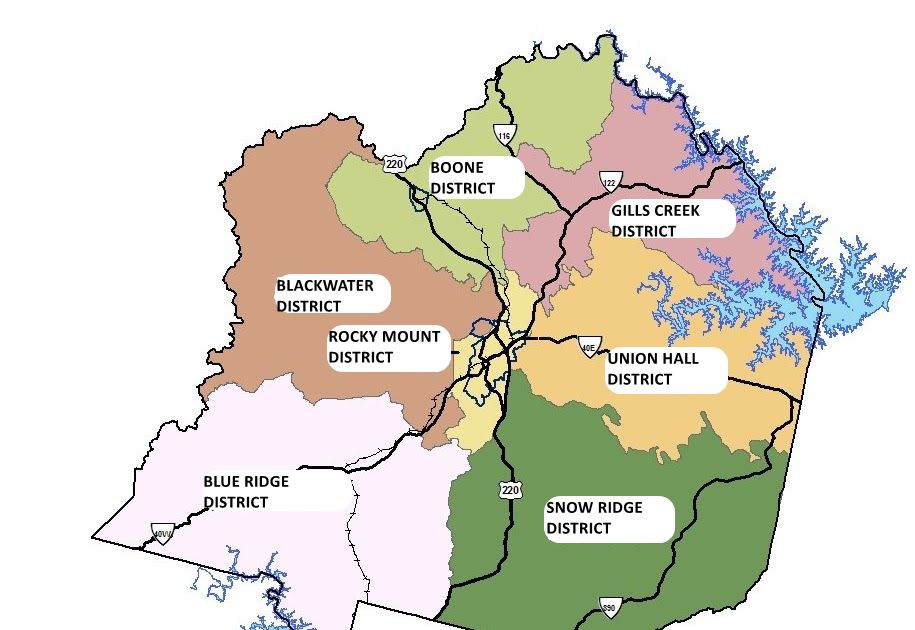
It depends on the zoning map. If those areas are added to a zoning district, they must comply with all the new rules, including permit requirements and use limits. This would be a significant change from the current system, in which those areas had more freedom. This change is allowed by law but not required
🔴 ❓ Does the zoning ordinance clearly state that un-zoned areas of the County are not affected?
No. The ordinance does not clearly say this in plain language. It refers to “zoned areas,” but does not clearly explain where the rules apply. This can confuse people about whether their land is affected. Clear zoning laws matter because they limit property rights, and unclear rules can lead to problems.
🔴 ❓ What does the separation of agricultural land into A-1 and A-2 do, and what does it mean for setbacks, lot sizes, subdivision, and who can build where?
The split creates different rules for different farm areas. Some land may have stricter limits on lot size, setbacks, and building. This affects property value and use, and it is not required by law.
Effective Dates and Grandfathering

🔴 ❓ When would residents have to start complying with the new zoning ordinance if it is adopted? Are existing uses “grandfathered”, or could there be requirements that affect everyone?
The rules would start on the date the County sets. Existing uses can usually continue, but only within limits. If you expand, change, or rebuild, you may have to follow the new rules. Some standards may apply even to current uses. This means “grandfathering” is not full protection.
🔴 ❓ What is the difference between “legal nonconforming use” and “grandfathering,” and what does it mean for compliance over time?
“Grandfathering” is a common term, but the law uses “nonconforming use.” This means you can keep using your property as before, but you cannot easily expand or change it. Over time, these rights can shrink or be lost, limiting future options.
🔴 ❓ How could the zoning ordinance affect local, small-scale job creation?
Small businesses and side income may face stricter limits, such as caps on customers or employees. This can make it harder to grow local income. These limits are not required by law.

Generational Use
🔴 ❓ Can I still divide my land for family members?
Yes, but it may be harder. New rules on lot size, density, and design can require full subdivision review and may limit how land is split. This can make simple family divisions more complex and costly.
🔴 ❓ How could this ordinance affect whether younger generations can afford to stay in Franklin County?
More rules, higher costs, and limits on housing options can make it harder for young people to afford to live here. Zoning shapes housing supply and cost over time.
🔴 ❓ How does zoning affect generational land use—such as passing land down to children?
Zoning affects whether land can be divided or used for future homes. More rules can limit how families pass down and use land. This can affect long-term family plans.
Effects on Individual Homeowners
🔴 ❓ How will this zoning ordinance affect what I can do with my property in the future—even if I don’t plan to change anything right now?
Even if you do nothing now, future changes, such as selling, building, or starting a business, may require permits and follow new rules. Zoning shapes future options, not just current use.
🔴 ❓ What aspects of the new zoning ordinance affect residential zoning, and are there new limitations or requirements?
The ordinance adds more rules for housing, such as lot sizes, setbacks, and use limits. It also adds more permits and conditions for everyday activities. This reduces flexibility compared to the current system.
🔴 ❓ How does the ordinance affect the ability to adapt to changing economic conditions over time?
More rules and permits can slow the pace at which people change how they use their land. This can make it harder to respond to new opportunities.
🔴 ❓ How does the zoning ordinance affect self-sufficiency and the ability to live off your land?
Activities like gardening, raising animals, and selling products are still allowed, but more regulated. Rules and permits can make it harder to adjust or grow these activities over time. Only Low-Density Residential Zones will permit backyard chickens and family gardens.
Backyard family gardens will not be permited in Medium Density (R-2), Mixed Residential (RC-1), Residential Multi-Unit (RMF), and Residential Planned Unit Developments (RPD), as well as Business and Industrial Zones.
🔴 ❓ Can I live in an RV or use alternative housing?
RV living is limited to temporary use. It cannot be a permanent home. This reduces the availability of lower-cost housing options and is not required by law.
🔴 ❓ Will I need permits for more activities?
Yes. The new ordinance requires permits for more activities, such as changing a use, adding structures, or starting certain activities. This adds time, cost, and process. These extra permits are not required by law.
🔴 ❓ How will solar be regulated?
Solar is allowed, but with rules on size, location, and permits. Larger systems need approval. The law requires allowing solar, but not this level of control.
Home Businesses, Backyard Farming and Gardening
🔴 ❓ Can I still keep chickens, and are these limits required?
Yes, backyard chickens will still be allowed, but with limits and restrictions. Only 6 hens per acre, and roosters are prohibited in residential zones (R-1). Chickens are restricted to personal use only (no selling eggs or meat), and coop placement must comply with setbacks of 10 ft from the property line and 30 ft from adjacent property dwellings These limits are not required by law.
🔴 ❓ Will I still be able to keep bees?
Lot area must be a minimum of 1/2 acre; with a maximum limit of 4 hives per acre. Set back requirements are 10 ft from the property line, and 30 ft from any dwelling on a separate parcel.
Additionally, flyway barriers (dense vegetation, a wall, or solid fence) at least 6 ft high to shield any property line within 25 ft of a hive.
These are added requirements, not legal mandates.
🔴 ❓ Can I still run a business from my home?
Yes, but with more rules on customers, employees, and operations. This can limit how a home business grows.
🔴 ❓ Can neighbors file complaints more easily?
Yes. The new system creates a clear and faster enforcement process. More defined rules also mean more chances for something to be considered a violation. This can make complaints more common and more formal.
🔴 ❓ What about farm stands and selling products?
Selling farm products is allowed in certain zones (A-1 & A-2), but more activity may require permits and follow specific rules. This can make small-scale sales more regulated.
🔴 ❓ Can I sell eggs or raise animals for income, and what is now prohibited?
Yes, in Agricultural zones, but selling products may require moving into a more regulated category with permits and limits. Small-scale sales generated from Low-Density Residential (R-1) will be prohibited.
Churches and Other Places of Worship
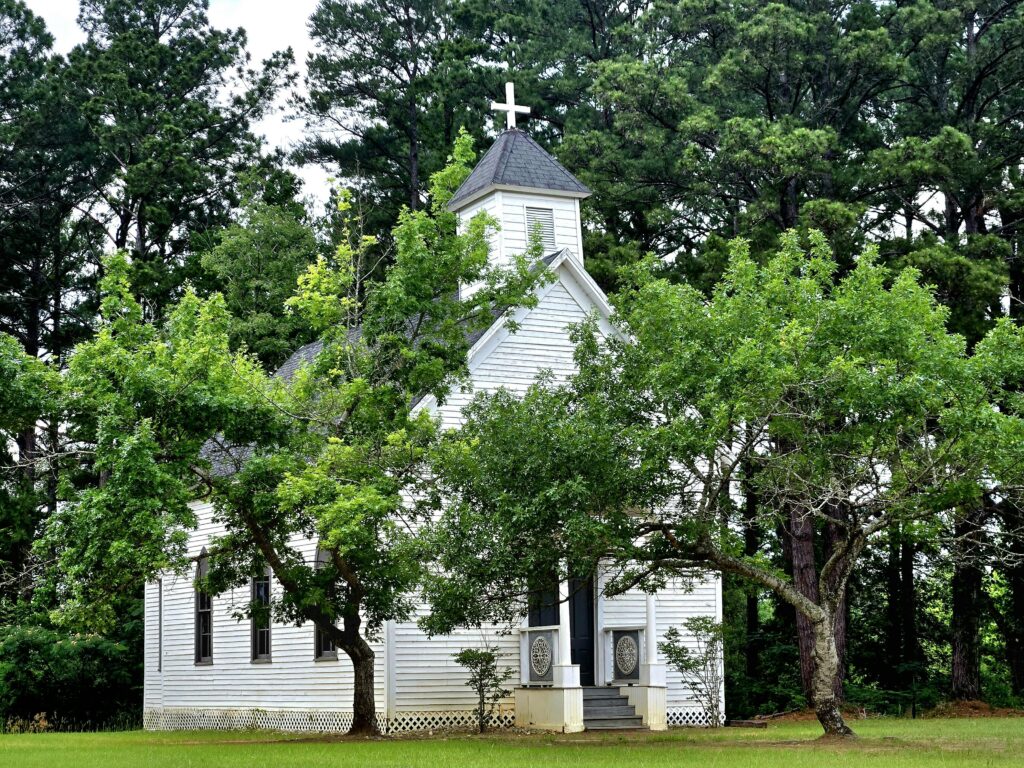
🔴 ❓ How does this affect churches and places of worship?
Churches may need permits and comply with rules on parking, size, and location. Federal law protects them from unfair limits, so rules must be applied carefully.
Industry and Other Big Business

🔴 ❓ Does this ordinance allow data centers?
Yes. The ordinance creates a clear path for data centers with rules and approvals. This is a choice, not a legal requirement.
Equestrian - Business and Hobby
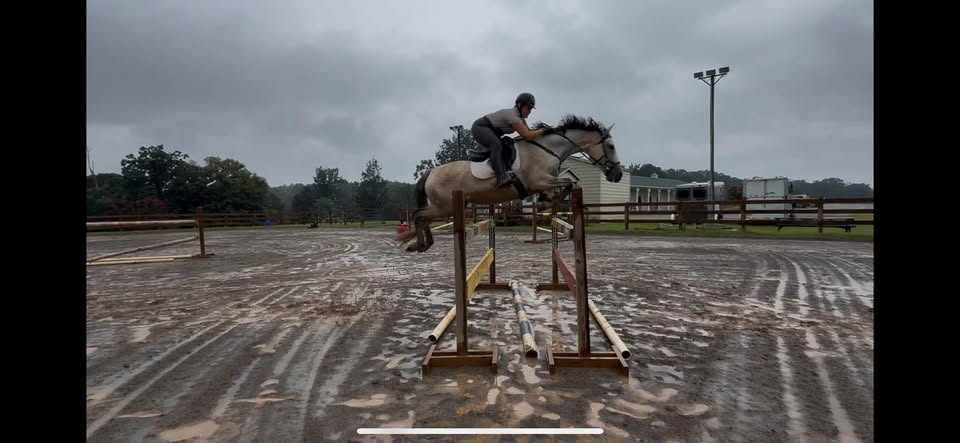
🔴 ❓ Can I still keep my horses?
Private Equestrian facilities must have at least one acre per horse.
Commercial Equestrian facilities must have a minimum of 20 acres, plus 1/2 acre per horse.
Set backs for both:
Horse buildings, pens, barns, and the like must be 75 feet from any lot line and 100 feet from any public road.