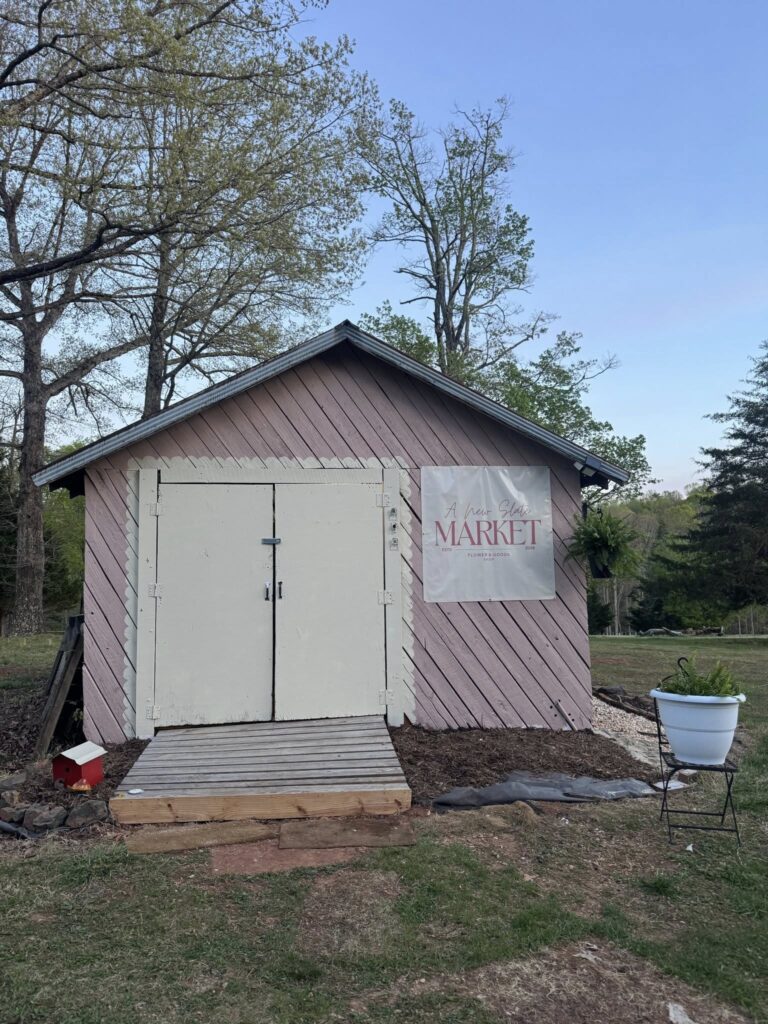
Right now, farm stands are generally a simple, low-barrier way for farmers to sell directly to the public. The proposed ordinance could change that by adding new permit requirements.
These changes shift farm stands from a simple agricultural activity to a more regulated commercial use—adding cost, paperwork, and barriers for small farmers.
FARM STANDS
- Farm stands may no longer be “by-right” in ag districts and some could require special use permits or zoning approval.
- Stricter definitions of “farm product” limit sales primarily to goods grown or produced on-site, restricting resale of items from other farms or local producers.
- Size limitations impose new caps on square footage or structure type (temporary vs. permanent stands).
- Setback requirements would dictate that farm stands may need to be placed farther from roads or property lines, making some existing setups noncompliant.
- Parking and traffic standards will add requirements for designated parking spaces, entrances, or traffic flow plans would be required even for small roadside stands.
- Signage restrictions limit sign size, placement, and number, reducing visibility for passing customers.
- Hours of operation limits pose restrictions on when farm stands can be open.
- Enforcement and compliance rules mean that previously informal stands could now face inspections, complaints, fines, or shutdowns if they don’t meet all standards.
The Right to Farm Act:
- Virginia law is designed to protect agricultural activities from excessive local regulation:
• Agriculture is a protected use.
• Localities are expected to support and not unreasonably restrict farming activities.
• On-site sales are typically part of farming.
• Direct sales (like farm stands) are often considered incidental to agriculture, not a separate commercial use.
Counties can regulate health/safety—but not in ways that undermine normal farming practices.
Redefining farm stands as commercial uses instead of agricultural would require:
• Special permits for basic on-site sales.
• Restricting what farmers can sell, especially local cooperative products.
• Imposes infrastructure requirements (parking, setbacks) that don’t match small-scale farming.
If farm stands are treated more like retail businesses than farm activities, these regulations could conflict with the intent of Virginia’s “Right to Farm” protections. Virginia law protects farming—including selling what you grow. Regulations that make it harder to sell directly from the farm may face legal pushback.
Legal concerns could arise as the proposed zoning changes may not align with state and federal protections, since farmers are protected under state law to operate and sell agricultural products.